Pixel Friendship Font: Bridging Creativity and Camaraderie in Digital Design
In the vast landscape of digital typography, few styles evoke as much immediate nostalgia and warmth as pixel art fonts. Among these, Pixel Friendship Font stands out not just for its aesthetic appeal, but for the emotional resonance it carries. This charming typeface embodies the spirit of camaraderie and creativity, offering designers a unique tool to express connection in a digital world. Whether you are a seasoned graphic designer or a hobbyist crafting your first social media post, understanding how to leverage this font can transform your visual communication.
The Essence of Pixel Aesthetics
To truly appreciate Pixel Friendship Font, one must first understand the cultural weight of pixel art. Originating from the early days of video gaming and computer graphics, pixel art was born out of technical limitation. However, it evolved into a distinct artistic style characterized by its blocky, grid-based structure. Today, it represents a return to simplicity, authenticity, and playfulness.
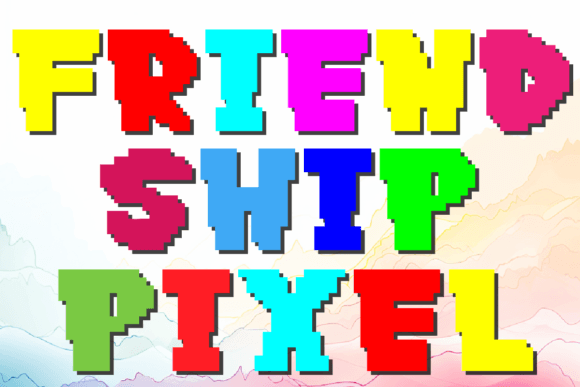
Pixel Friendship captures this essence perfectly. It is not merely a collection of squares arranged to form letters; it is a deliberate design choice that signals approachability. In an era where high-definition, sleek, and minimalist designs often dominate corporate branding, a pixel font introduces a human element. It suggests that behind the screen, there are people who value fun, nostalgia, and genuine interaction. This makes it an invaluable asset for projects aiming to foster community and engagement.
Technical Specifications and Versatility
One of the primary strengths of Pixel Friendship Font lies in its comprehensive yet focused character set. The package includes:
- 26 Capital Letters: Covering the entire English alphabet, allowing for bold headlines and impactful statements.
- 10 Numbers (0-9): Essential for dates, prices, statistics, and numeric displays in games or apps.
While it may seem limited compared to extensive serif or sans-serif families that include lowercase letters and special symbols, this constraint is actually a creative advantage. By restricting the font to capitals and numbers, the design maintains a uniform height and visual rhythm. This consistency is crucial for maintaining readability in small sizes, such as on mobile screens or within intricate game interfaces.
Furthermore, the font is delivered in both OTF (OpenType Font) and TTF (TrueType Font) formats. This dual compatibility ensures that whether you are using Adobe Photoshop, Illustrator, Canva, or open-source software like GIMP, the font will integrate seamlessly. This accessibility removes technical barriers, allowing creators to focus on their vision rather than troubleshooting file compatibility issues.
Practical Applications in Modern Design
The versatility of Pixel Friendship Font extends far beyond retro gaming themes. Its playful nature makes it suitable for a wide range of modern applications. Here is how different sectors can utilize this typeface to enhance their message:
- Social Media Graphics: In the fast-paced world of Instagram, TikTok, and Twitter, grabbing attention is paramount. Pixel Friendship’s distinct look stops the scroll. It is perfect for quote cards, event announcements, or promotional banners that aim to feel personal and inviting.
- Digital Illustrations: Artists often struggle to find text that complements hand-drawn digital art without overpowering it. This font’s chunky, friendly appearance pairs beautifully with illustrative styles, adding context without stealing the spotlight.
- Web Design and UI: For websites focused on community building, education, or creative portfolios, using Pixel Friendship for headers can create a welcoming atmosphere. It signals to visitors that the site is user-friendly and engaging.
- Educational Materials: Teachers and educational content creators can use this font to make learning materials more appealing to younger audiences. The familiar, game-like aesthetic can reduce anxiety around difficult subjects and make learning feel like play.
Building Connections Through Typography
Typography is more than just reading; it is feeling. The choice of font influences how a message is perceived. A sterile, corporate font might convey professionalism, but it rarely conveys warmth. Pixel Friendship Font is designed to bridge this gap. By incorporating this typeface into your projects, you are subtly signaling values of inclusivity, fun, and shared experience.
Consider a local community event flyer. Using a standard font might provide the necessary information, but using Pixel Friendship adds a layer of excitement and neighborly charm. It suggests that the event is not just a gathering, but a celebration of community ties. Similarly, in business, brands that want to appear approachable and customer-centric can use this font in their loyalty programs or informal communications to soften their image and build trust.
Common Misconceptions About Pixel Fonts
Despite its growing popularity, there are several misunderstandings regarding the use of pixel art typography. Addressing these can help designers use Pixel Friendship more effectively.
Misconception 1: Pixel fonts are only for gaming.
While rooted in gaming culture, pixel aesthetics have transcended their origins. They are now used in fashion, music album covers, and even high-end tech marketing to evoke a sense of "digital craft." Pixel Friendship is versatile enough for any project that benefits from a touch of whimsy.
Misconception 2: They are hard to read.
Legibility depends on usage. While pixel fonts may not be ideal for long paragraphs of body text, they excel in headlines, short labels, and buttons. Pixel Friendship is designed with clear spacing and distinct shapes to ensure that capital letters and numbers remain legible even at smaller sizes.
Misconception 3: They lack professionalism.
Professionalism is context-dependent. In creative industries, education, and community-focused businesses, showing personality is a professional asset. Using a font like Pixel Friendship demonstrates an understanding of audience engagement and modern design trends.
How to Integrate Pixel Friendship into Your Workflow
To get the most out of this font, consider the following best practices:
- Pairing: Combine Pixel Friendship with a clean, simple sans-serif font for body text. This contrast ensures that the headline pops while the remaining content remains easy to read.
- Color Palette: Pixel art often shines with vibrant, high-contrast colors. Experiment with bright hues against dark backgrounds, or pastel tones for a softer, more modern look.
- Spacing: Give the letters room to breathe. Because pixel fonts are blocky, tight kerning can make them appear cluttered. Slightly increased letter spacing can enhance clarity and aesthetic appeal.
- Contextual Relevance: Ensure the tone of your project matches the font. It is ideal for casual, friendly, and creative contexts but may not be suitable for formal legal documents or solemn announcements.
Elevating Your Creative Vision
Ultimately, Pixel Friendship Font is more than a design tool; it is a catalyst for connection. In a digital age where interactions can often feel transient and impersonal, choosing a font that embodies warmth and camaraderie is a powerful statement. It invites viewers to pause, smile, and engage.
By integrating this font into your social media graphics, digital illustrations, or website designs, you are not just enhancing aesthetics; you are fostering a sense of belonging. You are providing the tools needed to bring your creative vision to life and spread joy through every pixel. As you explore the possibilities of this typeface, remember that its true power lies in its ability to inspire creativity and strengthen connections in every project you undertake.
Whether you are designing a new logo, creating educational content, or simply adding a personal touch to a digital invitation, let Pixel Friendship be your partner in creativity. Embrace its charm, leverage its versatility, and watch as it transforms your designs into memorable experiences that resonate with your audience.