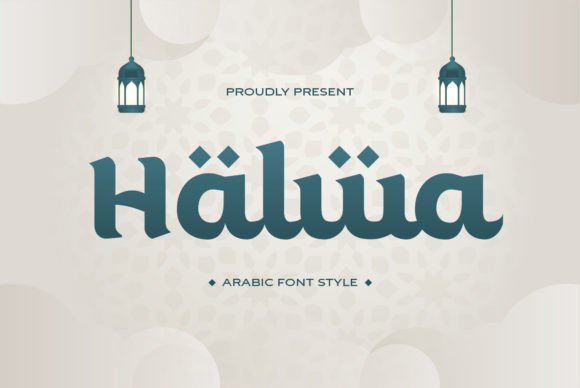
Halwa Font: Bridging Islamic Heritage and Modern Arabic Design
In the vast landscape of typography, few typefaces manage to capture the soul of a culture while remaining perfectly suited for the digital age. Halwa is one such exception. It is a carefully crafted font that seamlessly blends Islamic nuances with modern Arabic design, resulting in a perfect blend of tradition and contemporary style. For designers, developers, and cultural enthusiasts alike, understanding Halwa is not just about choosing a typeface; it is about appreciating a visual language that honors history while speaking to the present.
This article explores the essence of the Halwa font, its design philosophy, and its practical applications in modern creative work. Whether you are a graphic designer looking for the right aesthetic or a business owner aiming to connect with Arabic-speaking audiences, understanding the nuances of this typeface can elevate your visual communication significantly.
The Essence of Halwa: Where Tradition Meets Innovation
At its core, Halwa features simple details and graceful curves, reminiscent of traditional script, reflecting the beauty of the Arabic language. Unlike many modern fonts that strip away character in favor of minimalism, Halwa retains the organic flow inherent to Arabic calligraphy. The structure of this font pays homage to the rich cultural heritage of the Islamic world, offering a visual feast for those who appreciate Arabic letterforms.
The name "Halwa" itself suggests sweetness and delicacy, which is mirrored in the soft terminals and balanced proportions of the glyphs. This is not a rigid, mechanical construction. Instead, it mimics the hand of a master calligrapher, where every stroke has intention and every curve has purpose. By preserving these Islamic nuances, the font serves as a bridge between the ancient art of Khatt (calligraphy) and the needs of contemporary screen-based media.
Key Design Characteristics
To truly understand why Halwa stands out, we must look at its specific design elements. These features are what allow it to function effectively across various mediums:
- Graceful Curves: The font avoids sharp, aggressive angles, opting instead for smooth transitions that guide the eye naturally through the text.
- Simplified Details: While rooted in tradition, unnecessary ornamental flourishes are reduced to ensure legibility at smaller sizes, making it ideal for user interfaces.
- Cultural Authenticity: The letterforms respect the structural rules of Arabic script, ensuring that the text feels native and authentic rather than forced or translated.
- Versatile Weight: Halwa is designed to maintain its integrity whether used in bold headlines or light body text.
Why Cultural Context Matters in Typography
Typography is never neutral. Every font carries a voice, a mood, and a cultural backdrop. When working with Arabic script, the stakes are even higher because the script is deeply tied to religious and cultural identity. A font that ignores these roots can feel disjointed or even disrespectful to the audience.
Halwa addresses this by embedding cultural heritage into its DNA. It does not merely translate Latin design principles into Arabic shapes; it understands the rhythm of the Arabic language. This is crucial for brands that want to build trust. When a user sees text rendered in Halwa, they subconsciously recognize the respect paid to their linguistic traditions. This creates an immediate emotional connection, which is invaluable in marketing, education, and community engagement.
For example, consider a financial app targeting users in the Middle East. Using a generic, geometric sans-serif might convey efficiency, but it may lack warmth. Using Halwa, however, conveys both modern reliability and cultural empathy. It says, "We understand who you are, and we have built this for you."
Practical Applications in Modern Design
One of the most common misconceptions about culturally inspired fonts is that they are limited to decorative purposes. Many assume that such typefaces are only suitable for invitations, logos, or artistic posters. However, Halwa challenges this assumption. Its clean structure and high legibility make it incredibly versatile for everyday use.
- Digital Interfaces and Web Design: With the rise of mobile-first design, readability on small screens is paramount. Halwa’s simplified details ensure that characters do not blur together on low-resolution displays, making it an excellent choice for apps and websites.
- Branding and Identity: For businesses operating in the Islamic world or targeting Muslim demographics, Halwa offers a unique brand voice. It distinguishes a brand from competitors who may be using standard, off-the-shelf fonts.
- Educational Materials: Textbooks and e-learning platforms benefit from fonts that are easy to read for long periods. The graceful nature of Halwa reduces eye strain, helping students focus on content rather than struggling with difficult letterforms.
- Publishing and Editorial Design: Magazines and digital publications can use Halwa to create a sophisticated, literary feel that honors the poetic nature of the Arabic language.
Integrating Halwa into Your Workflow
If you are a designer considering Halwa for your next project, here are a few tips to maximize its potential:
First, pair it wisely. If you are designing a bilingual layout (Arabic and English), choose a Latin font that shares similar proportions and x-heights. A humanist sans-serif often pairs well with Halwa, as both share organic qualities. Avoid pairing it with overly industrial or monospaced fonts, as the contrast may feel jarring.
Second, respect the whitespace. Arabic script generally requires more horizontal space than Latin script. Ensure your line heights and letter spacing are adjusted to let the graceful curves of Halwa breathe. Cramped text will negate the elegance of the design.
Third, consider the context of use. While Halwa is versatile, it shines brightest in contexts where warmth and approachability are desired. It may not be the best fit for a hyper-technical engineering manual, but it is perfect for lifestyle brands, cultural institutions, and community-focused platforms.
The Future of Arabic Typography
The development of fonts like Halwa signals a positive shift in the world of typography. For decades, Arabic type design lagged behind Latin type design in terms of variety and digital optimization. However, we are now seeing a renaissance. Designers are no longer satisfied with merely digitizing old calligraphy styles; they are creating new forms that respond to modern technology.
Halwa represents this new wave. It proves that modernization does not require westernization. It is possible to create a font that is technically advanced, web-ready, and UI-friendly without sacrificing the spiritual and aesthetic core of the script. This is vital for the preservation of linguistic diversity in the digital realm.
As technology evolves, with voice interfaces and augmented reality becoming more common, the visual representation of language remains a key touchpoint. Fonts that carry cultural weight, like Halwa, will play a crucial role in ensuring that digital spaces feel inclusive and representative of global diverse populations.
Conclusion
Halwa is more than just a collection of letters; it is a testament to the enduring beauty of Arabic calligraphy adapted for the modern world. By blending Islamic nuances with contemporary design principles, it offers designers a powerful tool to communicate with authenticity and grace. Whether you are building a brand, designing an app, or creating educational content, choosing Halwa means choosing a path that respects heritage while embracing the future.
For those interested in exploring how typography can transform their projects, experimenting with Halwa is a rewarding journey. It invites us to slow down, appreciate the curves, and recognize the story behind every glyph. In a world that often moves too fast, Halwa reminds us of the value of craftsmanship, culture, and clarity.
To learn more about typography best practices and explore other culturally significant typefaces, consider visiting specialized design resources or connecting with communities focused on Arabic type design. Understanding the tools we use allows us to create work that is not only functional but also meaningful.